Cold Calling in 2026: What the Data Says
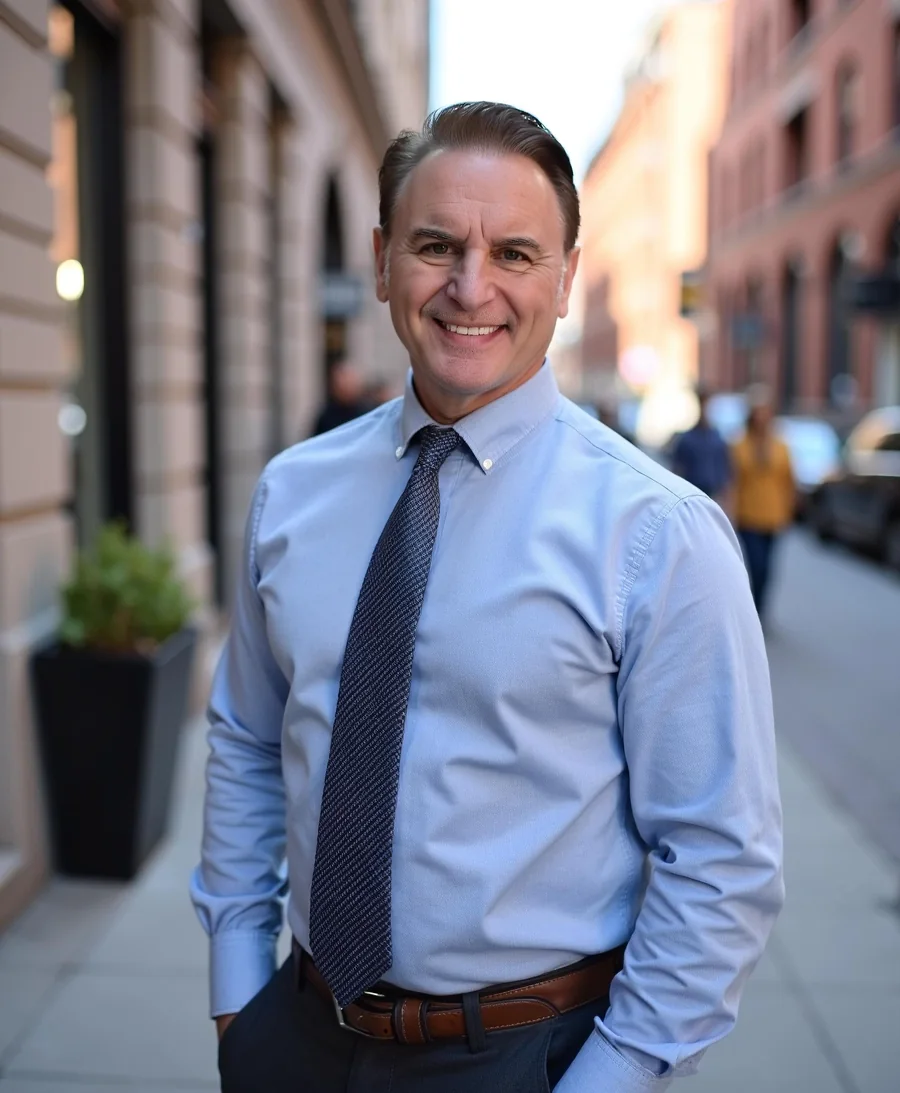 By Daniel Shand, founder of THE FOUNDATION
Published July 6, 2026
Updated August 28, 2026
7 min read
By Daniel Shand, founder of THE FOUNDATION
Published July 6, 2026
Updated August 28, 2026
7 min read
Cold calling in 2026 converts at an average of 2.3% per call (Cognism, 2025), takes an average of 8 attempts to reach a prospect, and still works: 57% of C-level and VP buyers prefer the phone over any other channel. The gap between average and top performers is structure, not talent.
Founders hate cold calling for a rational reason: done without structure, it fails almost every time, and each failure is personal. So before the pep talk, here is the actual math, with sources. Then the structure that changes it.
The numbers, sourced and dated
Cold calling benchmarks
- Average success rate per call: 2.3% in 2025, down from 4.82% in 2024 (Cognism cold calling report, 2025).
- Average attempts to reach a prospect: 8 calls (Cognism, 2025).
- Openers matter: scripts built around a personal check-in question reached success rates around 10% in Gong's call data (Gong, cited by Cognism, 2025).
- Referencing shared context in the opener: +70% odds of securing a meeting (LinkedIn Sales Solutions, cited by Cognism, 2025).
- Stating a reason for the call raises success rates by roughly 2 percentage points (Cognism, 2025).
- 57% of C-level and VP buyers prefer to be contacted by phone over any other channel (RAIN Group, cited by Cognism, 2025).
- Once a lead is qualified, about 20% convert to a sale (Cognism, 2025).
What the data actually means
Three readings matter more than the raw numbers.
First: the average is not your ceiling. The 2.3% average includes every unresearched list and every winged call in the sample. Cognism's own team reported 6.7% in the same 2025 report using targeted data and structured calls. Roughly triple the average, from process alone.
Second: persistence is quantified. Eight attempts to reach a prospect means a three-attempt cadence forfeits most of the list before anyone answers. Follow-up is not nagging. It is arithmetic.
Third: the buyer wants the call. A majority of senior buyers prefer the phone. The dread lives on the seller's side of the line.
"You freeze the second they pick up because you have no plan for the next ten seconds. Nobody is born good on the phone. You get good by knowing your first line, your reason for calling, and your next step before you dial. Not theory, the actual words."
Daniel Shand, founder of THE FOUNDATION. 20+ years in B2B sales, from cold call to closed contract.
The call structure that moves the numbers
This is the shape we teach in First Contact, aligned with what the data rewards:
- The open: name, company, and a reason. Stating why you are calling, specifically and honestly, measurably raises success rates. "The reason I'm calling is..." is not a trick. It is respect for their time.
- The context line. One sentence proving this call is for them: something true about their company, role, or a shared connection point. This is where the 70% lift lives, and it costs five minutes of research.
- The permission bridge. "Can I take thirty seconds, and you tell me if it's relevant?" Permission lowers resistance and buys you the pitch.
- The pain question, not the pitch. One question about the problem you solve, in their words. You are qualifying them as much as selling.
- The close: one clear next step. A specific meeting time, not "I'll send some info." Every call ends with an ask.
Then the part nobody loves: run the cadence to the end. Eight attempts is the average to connect at all. The founders who book meetings are simply still dialing on attempt six, on schedule, without drama. Where this fits in the bigger picture: How to Build a Sales Pipeline From Zero.
Cold calling is a craft, and crafts are taught
Every number above points the same direction: structure beats talent. The list, the opener, the reason, the cadence. All of it is learnable, and all of it ships as actual scripts and worksheets inside The Foundation OS. If you want the system before spending anything, The Blueprint is free.
Cold calling FAQ
What is the average cold call success rate?
2.3% per call, according to Cognism's 2025 cold calling report, down from 4.82% in 2024. Structured teams in the same report ran at 6.7%, roughly triple the average.
How many call attempts does it take to reach a prospect?
An average of 8 attempts (Cognism, 2025). Most sellers stop far earlier, which is why a scheduled cadence beats enthusiasm.
Does cold calling still work in 2026?
Yes, as one channel in a structured motion. 57% of C-level and VP buyers prefer the phone over any other channel. The winners treat it as a system: targeted list, researched opener with a stated reason, and a cadence run to the end.
Founder of THE FOUNDATION. 20+ years selling B2B, from cold call to closed contract. $100M+ in career sales and dozens of pipelines built from $0 to $1M+. Runs two live coaching sessions every week inside The Foundation OS.
Sources
- Cognism, "The Top Cold Calling Success Rates for 2026 Explained," published March 2025, updated November 2025. cognism.com/blog/cold-calling-success-rates
- Cognism, "Cold Calling Report 2025" (independent study). cognism.com/cold-calling-report-2025
- Gong call-data research on openers, as cited in the Cognism analysis above.
- LinkedIn Sales Solutions research on call openers, as cited in the Cognism analysis above.